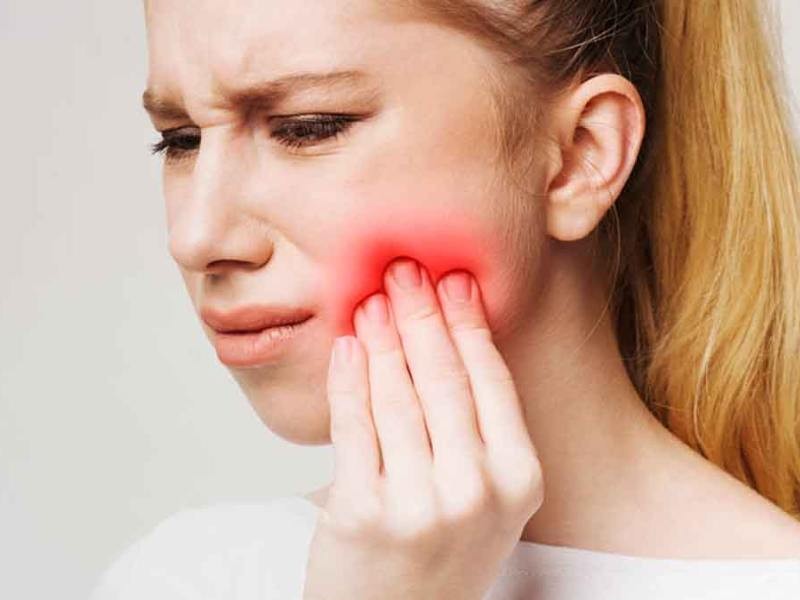
The gum is a tissue that surrounds the tooth, since the periodontium is located in the inner part of the gum, it is composed of the root of the tooth, bone and ligament (which joins the root with the bone). When gingivitis is not properly treated it can progress to periodontitis which is inflammation of the periodontal tissues.
As a consequence there is loss of the bone that secures the tooth and the ligament that makes the root and bone union. This loss is irreversible, that is, if left untreated, the tooth will remain mobile until the tooth is lost. And if there is treatment and the tooth has already suffered the consequences, there is no way to recover the lost bone and ligament. Periodontitis is a chronic and more complex disease than gingivitis and there is no cure for the patient. Once with the disease, the person will need follow-up for the rest of their lives to prevent decompensation and start the bone loss process again.
What causes periodontitis?
As mentioned earlier it is more complex than gengivite. But just like gingivitis, periodontitis needs the presence of bacterial plaque to start. In addition to plaque, predisposing and modifying factors have a great influence on this disease.
There are basically two forms of chronic and aggressive periodontitis, the difference between the two is in severity. Aggressive as the name suggests is much more severe and produces much faster bone loss. It starts when the person is around 20 years old and continues for the rest of their lives, it is a disease that has no cure. And by starting very early and having a faster evolution, the risk in her is much greater of losing her teeth while still young. There is also the family association it is common for members of the same family to have this disease due to some genes that influence the appearance of the disease.
Chronic periodontitis has a slower progression and affects older people. It is influenced by predisposing and modifying factors that can alter the course of the disease and also make it progress faster.
If I don't treat periodontitis what happens?
The tooth will begin with a progressive mobility until tooth loss occurs. In some cases the tooth becomes so soft that it is easily removed from the mouth as if it were a milk tooth. And it is not uncommon for these teeth to be lost liquefied, that is, without caries.
How do I treat periodontitis?
Periodontitis can only be treated by a dental surgeon specializing in this area, in the case of the Periodontist. He will assess what type of periodontitis you have and what is the best treatment. A series of x-rays and in some cases a CT scan will be requested to assess the degree of bone loss.
When the disease is controlled, the patient will enter a maintenance program that consists of visits every 3 months or even less time, to evaluate and treat any area that may become inflamed again.
Collaboration and patient awareness are fundamental to the success of therapy. As bacterial plaque is the initiating factor of the disease, the patient should have a rigid control of his brushing, so the success of the treatment will also depend on the collaboration of the patient with correct brushing techniques that will be taught by the dentist.
And those who think that brushing your teeth is something easy is wrong. Its execution requires discipline, attention, manual dexterity and patience. So do not chat if the dentist tells you that the brushing needs to be improved, if he talks it is because he found faults and is not stating that the person does not brush his teeth. Ask for help on how the patient can improve their weak points, this is an excellent way to prevent periodontal diseases (gingivitis and periodontitis).
How do I know I have periodontitis?
Periodontitis is a silent disease, when the patient realizes that something is wrong it is because it has been progressing for a long time. Gum bleeding is an indication, but there are also situations where the gum is suppurating, then the patient squeezes the gum and a yellowish liquid comes out of it that is pus.
Mobility or movement of the tooth in the arch are other signs. In some people, halitosis is also present. Teeth are left with accumulation of calculus and stains, leaving them yellowish or brown or even with greenish spots.
Another relevant point is the family history. If you have a close relative with periodontitis and if it is aggressive you have to watch out for the onset of the disease.
Can I 'catch' someone's periodontitis? Is it contagious?
Periodontitis is not contagious. What happens is the following if there is a relative who has the disease, the patient already knows that due to genetic inheritance the patient may also be prone to developing periodontitis.
Text written by Doctor in Dental Medicine Nicole Nogueira.
Do not forget to follow the news on the website of Clínica Aggio , and book your consultation if necessary. Follow us also on instagram.