DTM treatment in Ramada, Odivelas, Lisbon
The DTM treatment is intended for the evaluation and monitoring of changes related to the temporomandibular joint and the muscles involved in chewing. Temporomandibular dysfunction may be associated with symptoms such as jaw pain, joint noises, limitation of mouth opening, facial muscle tension and discomfort when chewing or speaking.
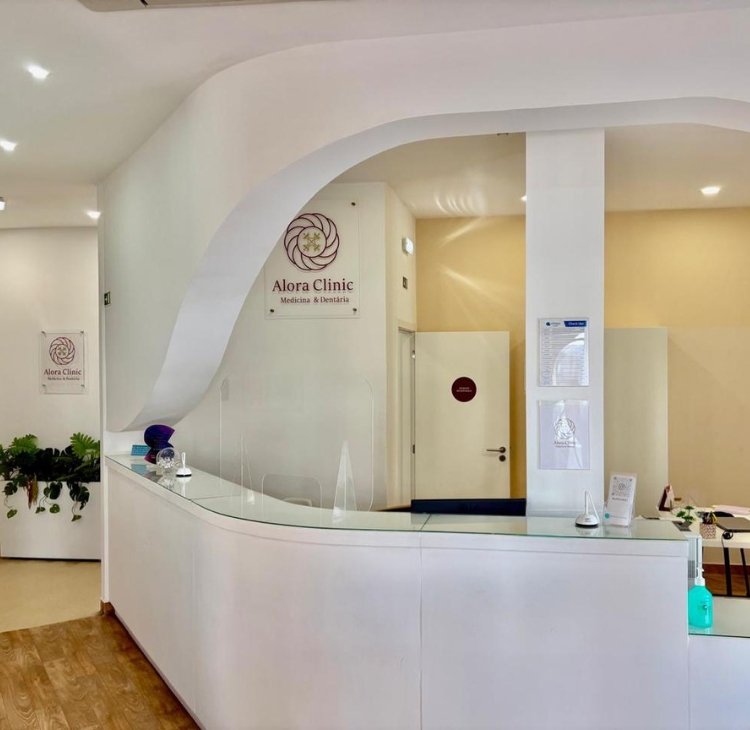
At Alora Clinic , at Ramada, Odivelas, Lisbon , DTM treatment is always framed in an individualized clinical evaluation. As there are different possible causes and manifestations, the treatment plan should be adapted to the specific situation of each patient.
What is DTM?
The abbreviation DTM refers to temporomandibular dysfunction. It involves a set of changes that can affect the temporomandibular joint, the chewing muscles and associated structures. This joint connects the lower jaw to the skull and is involved in essential everyday functions such as chewing, speaking, yawning and swallowing.
When there is any change in the functioning of this joint or in the associated musculature, symptoms with varying intensities can arise. In some cases, discomfort is occasional. In others, there may be persistent pain, functional limitation or recurrent episodes.
The DTM treatment in Ramada, Odivelas, Lisbon should begin with a careful evaluation, since not all facial or mandibular pain is necessarily related to the temporomandibular joint.
What symptoms can be associated with DTM?
The symptoms of temporomandibular dysfunction can vary from person to person. Some situations show discrete signals, while others interfere more clearly with comfort and oral function.
Among the symptoms most often associated with TMD are:
- temporomandibular joint pain;
- pain or tension in the muscles of the face;
- chewing pain;
- noises or noises when opening and closing the mouth;
- limitation or difficulty in opening the mouth;
- feeling of mandibular blockage;
- headache associated with muscle tension;
- discomfort in the area of the ear with no obvious otological cause;
- facial muscle fatigue;
- feeling of clenching or tidying teeth.
The presence of these signs does not in itself mean that there is a single cause. Therefore, the treatment of TMD always depends on clinical diagnosis and the exclusion of other conditions that may produce similar symptoms.
When can DTM treatment be indicated?
The DTM treatment may be indicated when there are symptoms or functional alterations related to the temporomandibular joint and the masticatory musculature. The need for treatment depends on the intensity of the symptoms, the frequency with which they arise and the impact on the patient's daily life.
In some cases, follow-up is aimed at controlling discomfort and monitoring clinical evolution. In others, it may be necessary to implement specific measures to improve mandibular function and reduce joint or muscle overload.
The DTM treatment in Ramada, Odivelas, Lisbon can be considered when there is pain, functional limitation, episodes of blockade, persistent joint noises or signs of muscle overload, always after clinical evaluation.
How does clinical assessment work?
Before initiating any DTM treatment, it is essential to conduct a detailed clinical evaluation. This phase allows us to understand the origin of the symptoms, identify associated factors and define the most appropriate approach for each case.
Assessment may include:
- analysis of clinical history and reported symptoms;
- observation of jaw opening and movements;
- palpation of the masticatory muscles and temporomandibular joint;
- evaluation of occlusion and contact between teeth;
- identification of signs of tooth tightening or wear;
- complementary exams, when clinically indicated.
In many cases, the diagnosis of TMD requires careful observation, because the symptoms may be related to several factors, including muscle tension, parapfunctional habits, joint changes or functional overload.
The DTM treatment in Ramada, Odivelas, Lisbon should therefore be always defined after individualized evaluation and never in a generalized way.
What can be the causes of DTM?
Temporomandibular dysfunction may be associated with different factors. In many cases, there is no single cause, but a combination of elements that contribute to the appearance or worsening of symptoms.
Factors that may be associated with DTM include:
- muscle overload;
- clenching or grooming of teeth;
- emotional tension;
- joint changes;
- trauma in the mandibular region;
- repetitive habits, such as biting objects or biting nails;
- functional changes of chewing;
- some changes in occlusion, in certain clinical contexts.
As the origin can be multifactorial, the DTM treatment does not follow a single solution for all patients. The clinical plan should consider the symptoms, associated factors and the evolution of each situation.
How is the DTM treatment done?
The DTM treatment may include different approaches, depending on the nature of the dysfunction and the goals defined in consultation. Treatment generally seeks to reduce pain, improve mandibular function and control overload factors.
Occlusal plaques
In some cases occlusal plaques may be indicated. These devices are customized and used according to clinical guidance. They can integrate the DTM treatment plan when there is a need for functional control and dental protection in specific situations.
Functional and behavioral guidelines
The plan may also include guidelines related to day-to-day habits, such as avoiding clenching teeth, reducing mandibular overload, adapting certain movements and promoting greater functional awareness of facial muscles.
Clinical follow-up
Periodic monitoring allows to observe the evolution of symptoms, adjust the therapeutic approach and reassess the function of the temporomandibular joint over time.
Depending on the clinical situation, the DTM treatment in Ramada, Odivelas, Lisbon may also require articulation with other areas of follow-up in oral health.
How long is the treatment?
The duration of DTM treatment varies according to the nature of the dysfunction, the intensity of the symptoms, the associated factors and the individual response to the defined plan. Some situations can be monitored in shorter periods, while others require longer monitoring.
Follow-up time can only be estimated after clinical evaluation. Throughout the process, the plan can be adjusted according to the evolution observed in consultation.
Follow-up and monitoring
Follow-up is an important part of DTM treatment . Follow-up consultations allow us to understand if the symptoms are decreasing, if the mandibular function is more balanced and if it is necessary to change any component of the therapeutic plan.
At Alora Clinic , DTM treatment in Ramada, Odivelas, Lisbon is monitored individually, respecting the clinical evolution and the needs of each patient.
DTM treatment in Ramada, Odivelas, Lisbon
If you are looking for DTM treatment in Ramada, Odivelas, Lisbon , a Alora Clinic offers evaluation consultations for the analysis of symptoms, mandibular function and possible factors associated with temporomandibular dysfunction.
Clinical evaluation is essential to understand the specific situation and define the most appropriate follow-up options.
Mark an evaluation consultation
To assess the need for DTM treatment in Ramada, Odivelas, Lisbon , you can schedule a consultation at Alora Clinic .
The consultation allows you to clarify the symptoms, understand the origin of the discomfort and define a clinical plan adjusted to your case.