Orthodontic Appliances: Everything You Need to Know About Orthodontic Treatment
Know the types of devices available, how the treatment works, the necessary care and the benefits that go far beyond the aesthetics of the smile.
Orthodontic treatment is one of the most transformative areas of dentistry — not only for its visual impact, but for the long-term functional benefits it provides in oral health, chewing and even quality of life.
Whether child, adolescent or adult, there is an orthodontic solution adapted to each profile and need. The evolution of materials and technologies applied to orthodontics has brought more and more comfortable, aesthetic and effective options. In this article, we explain everything you need to know to make an informed decision.
What Are Orthodontic Appliances?
Orthodontic appliances are clinical devices that apply controlled forces on the teeth and on the supporting tissues, promoting their progressive movement to the correct position. They are used to correct tooth misalignment, bite problems, grasping, diastema (spaces between teeth) and other occlusion changes.
The treatment is individually planned by an orthodontist, based on clinical evaluation, radiographic records and digital models of the dentition. Each case is unique and requires a personalized treatment plan.
“Modern orthodontics goes far beyond aesthetic correction — when the bite is corrected, they also improve chewing, diction, oral hygiene and even body posture.”
What Types of Devices Are There?
Conventional Metal Appliance
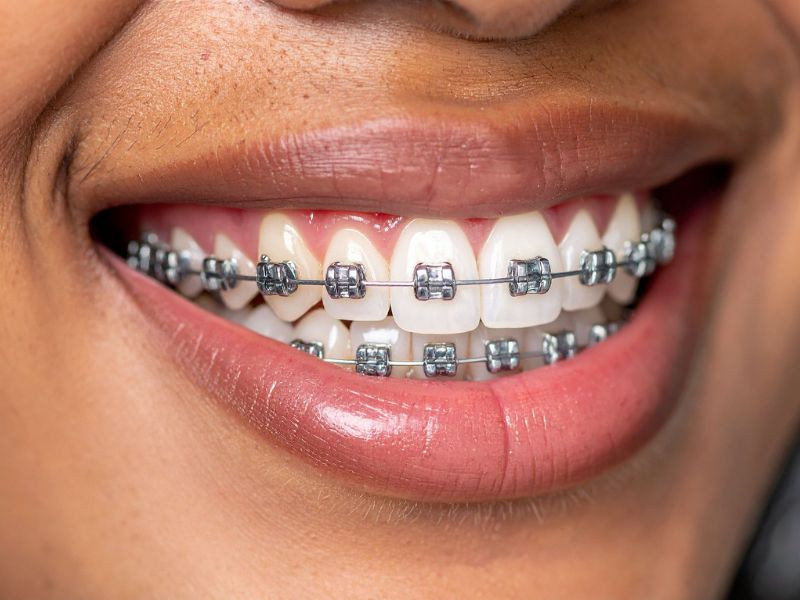
The most traditional and widely used option. Metal brackets fixed to the tooth enamel, connected by a wire that guides the movement. Effective for most cases, including the most complex.
Aesthetic Appliance (Ceramic)
It works like the metal device, but the braces are made of ceramic or sapphire, with a color close to the teeth. Much more discreet, maintaining the same clinical efficacy.
Lingual Apparatus
The braces are placed on the inside of the teeth, making the appliance completely invisible from the front. Indicated for those who want total discretion without resorting to aligners.
Clear Aligners
Removable droppers made to measure in transparent plastic. Ideal for adults and teenagers who value comfort, aesthetics and the possibility of removing the device at meals.
Benefits of Orthodontic Treatment
Aligned teeth contribute directly to a more harmonious smile and self-esteem.
Well-positioned teeth are easier to clean, reducing the risk of caries and periodontal disease.
A balanced bite facilitates the crushing of food and reduces joint overload.
Certain changes in diction originate from dental positioning problems that orthodontics can correct.
Poor occlusion can cause pain in the jaw, head and neck. Its correction relieves these symptoms.
Well-aligned teeth wear out more evenly, preserving the dentition for years to come.
Care During Orthodontic Treatment
The effectiveness of orthodontic treatment depends not only on regular visits to the orthodontist, but also on daily care at home. Good oral hygiene is essential to avoid complications such as enamel demineralization, caries and gingival inflammation.
Essential Tips for Who Uses Fixed Device
- Brush your teeth after each meal, using a small head orthodontic brush
- Use dental floss with a specific pin for fixed appliances, or an oral irrigator
- Use fluoride mouthwash to strengthen tooth enamel
- Avoid very hard (crusty bread, nuts, ice), sticky (candy, lozenges) or fibrous foods
- Does not treat objects such as pens, pencils or nails
- Appear for check-ups on the scheduled date — adjustments are an essential part of the treatment
- If a bracket comes loose or a thread bothers you, contact the clinic as soon as possible
How Long Does the Treatment Last?
The duration of orthodontic treatment depends on several factors: the complexity of the case, the type of appliance used, the age of the patient and the compliance with the clinical indications. In general, treatments last between 12 months and 3 years.
Lighter cases, such as small pinches, can be resolved in less time. Cases involving more severe bite problems or combined rehabilitation with other specialties may require a longer period. The orthodontist will present an estimate at the first consultation, after a complete evaluation.
Frequently Asked Questions
There is no age limit. In adolescence, active growth facilitates and accelerates treatment. In adults, the results are equally effective, and may only take a little longer. The first orthodontic evaluation in children is recommended around the age of 7, to identify problems early.
In the first days after placement and after each monthly adjustment, it is normal to feel pressure and some discomfort. This discomfort is temporary and can be relieved with common painkillers. Over time, the body adapts and the discomfort decreases significantly.
Yes, the containment phase is indispensable. Teeth have elastic memory and, without retention, tend to return to the initial position. The containment can be done with a removable drip for night use or with a thread glued to the inside of the teeth.
Depends on the case. Implants do not move with orthodontic treatment, so their presence requires careful planning. Removable dentures may, in some cases, be compatible. The orthodontist will assess the situation in conjunction with the other specialties involved.
Take the First Step to the Smile You Deserve
At Alora Clínic, the orthodontic team evaluates each case in a personalized way and presents the best treatment options for your profile. From conventional appliances to state-of-the-art aligners - we have the right solution for you.
Mark Your Consultation